Atrial Fibrillation (A-fib; AF)
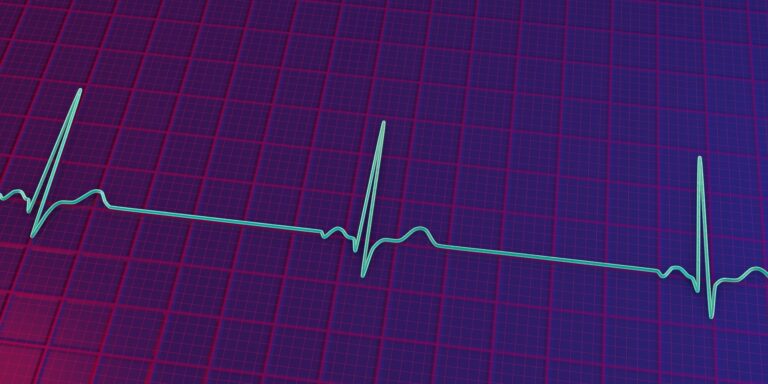
This is a problem with the rhythm of your heart. We call it "A-fib." With it, your heart beats much faster than normal. And, the upper and lower chambers of your heart don't work together like they should. For some, A-fib goes away on its own. But for others, it's a long-term problem.
Heart Palpitations
Your heart beats all day long, but you usually don't notice it. Sometimes, though, your heart may beat in a way that seems different. It may flutter or race, or you may feel or hear your heart beat. These abnormal rhythms are called "heart palpitations." Let's take a moment to learn more.
Treatment Options:
Anticoagulant Drugs: Taking Anticoagulants Safely
An anticoagulant is a drug that keeps blood cells from sticking together. It keeps new blood clots from forming. It can keep existing clots from getting bigger. But it does put you at risk for uncontrolled bleeding. Let's learn about how to use your drug safely.
Cardioversion (Electrical)
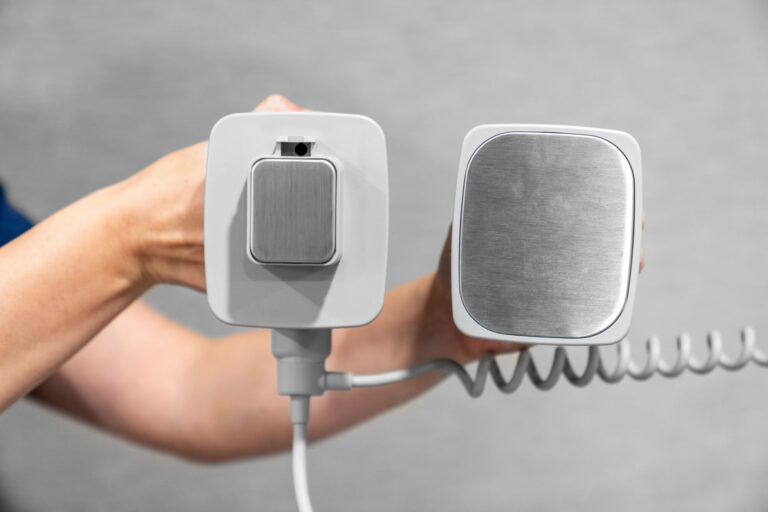
If your heart beats too fast or doesn't beat with a regular pattern, you may need electrical cardioversion. During this hospital procedure, your heart is shocked with electricity. It can help give your heart a normal beat. Cardioversion isn't the same as defibrillation. That's an emergency procedure that uses high-energy shocks. Cardioversion uses low-energy shocks.
Catheter Ablation for Arrhythmia
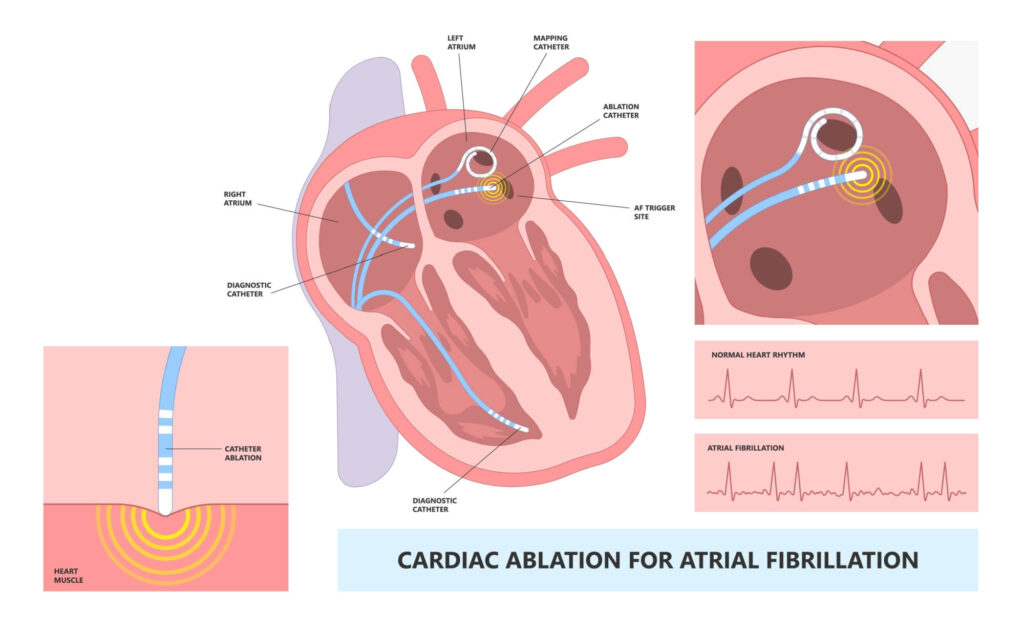
This procedure corrects an abnormal heart rhythm. It uses energy pulses to change the way your heart's electrical signals flow.
Left Atrial Appendage Closure
This procedure stops blood clots from forming in your heart. We do it for people who have a condition called "atrial fibrillation" which raises your risk for clot formation and stroke.
Left Atrial Appendage Closure (Implant Method)
This procedure places a tiny implant in your heart to stop blood clots from forming. It's helpful if you have a condition called "atrial fibrillation," which raises your risk for clot formation and stroke.
At Houston Heart Rhythm Institue, Dr. Aakash Shah, a quadruple Board-Certified Cardiac Electrophysiologist (EP), specializes in diagnosing and treating atrial fibrillation (Afib) and atrial flutter (AFlutter). These conditions affect millions of people and can significantly increase the risk of stroke, heart failure, and reduced quality of life if not properly managed. Patients throughout the greater Houston area trust Dr. Shah for his expertise in advanced arrhythmia management, including cutting-edge treatments like Pulsed Field Ablation and Radiofrequency ablation. Dr. Shah uniquely has experience with all commercially available Pulsed Field Ablation catheters and systems, advanced 3-D mapping systems, 4-D Intracardiac Echocardiography (ICE), and Radiofrequency Ablation catheters and systems.
Recognizing the Symptoms of Afib and AFlutter
Both Afib and AFlutter can present with a wide range of symptoms. Some individuals may not exhibit any symptoms, while others may experience significant discomfort or impaired daily functioning. Common symptoms include:
- Palpitations or rapid, irregular heartbeat
- Shortness of breath during activity or at rest
- Fatigue or decreased exercise tolerance
- Dizziness or lightheadedness
- Chest discomfort or pressure
- Episodes of anxiety related to heart rhythm changes
Why Accurate Diagnosis and Treatment Are Essential
Timely and precise diagnosis of atrial fibrillation and atrial flutter is crucial for preventing long-term complications. Left untreated, these conditions can lead to an increased risk of stroke, heart failure, or blood clots. For healthcare providers, early recognition and referral are critical steps in improving patient outcomes. Patients may present with subtle symptoms, and without the proper evaluation, the underlying rhythm disorder can go undetected. With advanced diagnostic tools and expertise, Dr. Shah provides patients with a comprehensive assessment that identifies not only the presence of arrhythmia but also contributing factors such as high blood pressure, sleep apnea, thyroid issues, or structural heart disease. This level of detail allows treatment to be highly personalized. Beyond symptom control, the goal is to reduce long-term health risks, enhance quality of life, and improve life expectancy. Atrial fibrillation and atrial flutter management requires a combination of medical knowledge, procedural skill, and patient-centered care to achieve the best outcomes.
Advanced Treatment Approaches for Afib and AFlutter
At Houston Heart Rhythm Institute, patients benefit from a structured, step-by-step approach to arrhythmia treatment:
- Comprehensive Evaluation: Patients undergo a thorough review of their medical history, physical examination, and diagnostic testing such as an electrocardiogram (ECG), echocardiogram, or ambulatory heart monitoring. This ensures an accurate diagnosis before treatment begins.
- Medication Management: Antiarrhythmic drugs and blood thinners may be prescribed to control the heart rate, restore rhythm, and reduce the risk of stroke. The choice of medication is tailored to each patient’s health profile.
- Catheter Ablation Procedures: For patients with recurrent or persistent arrhythmias, ablation may be recommended. This minimally invasive procedure uses thin catheters inserted into the heart to disrupt the electrical pathways causing abnormal rhythms.
- Pulsed Field Ablation (PFA): This is a newer, advanced ablation technique that uses electrical fields instead of heat or cold. It selectively targets heart tissue while minimizing injury to surrounding structures, offering a safer and often faster recovery.
- Radiofrequency Ablation (RFA): A well-established method that uses heat generated by radio waves to destroy abnormal tissue responsible for arrhythmias. This treatment has a long track record of effectiveness in controlling Afib and AFlutter.
- Long-Term Monitoring and Follow-Up: Ongoing care includes repeat ECGs, heart monitoring, and follow-up visits to ensure the treatment is effective and to make adjustments as needed.
Can Afib and AFlutter Be Prevented?
While not every case of atrial fibrillation or atrial flutter can be prevented, many risk factors can be managed to reduce the likelihood of recurrence. Preventive strategies include controlling high blood pressure, managing diabetes, maintaining a healthy weight, and reducing alcohol or caffeine intake. Regular exercise supports cardiovascular health, though patients with existing arrhythmias should follow their doctor’s guidance on safe activity levels. Treating sleep apnea and avoiding smoking also contribute to lowering the risk. Prevention is about creating a heart-healthy lifestyle while staying proactive with medical check-ups and rhythm monitoring. By addressing underlying conditions and making mindful lifestyle adjustments, patients can significantly reduce their risk of developing or worsening arrhythmias.
What Patients Can Expect After Treatment
The outlook for patients undergoing treatment for atrial fibrillation and atrial flutter is highly encouraging. Advances in catheter ablation, particularly pulsed field ablation, have improved both safety and success rates. Many patients experience significant relief from symptoms, improved exercise tolerance, and reduced risk of future complications. Some may require ongoing medication, while others achieve long-term rhythm control without the need for additional procedures. Quality of life improvements are often substantial, as patients can return to daily activities without the fear of unpredictable arrhythmia episodes. Long-term follow-up remains essential, ensuring that treatment success is maintained and any new issues are promptly addressed. With expert care, most patients see lasting improvement and reduced healthcare burden.
Frequently Asked Questions
What is the difference between atrial fibrillation and atrial flutter?
Afib involves chaotic electrical signals in the atria, while AFlutter has a more organized but rapid rhythm. Both require evaluation and treatment to prevent complications.
Is ablation always necessary for Afib or AFlutter?
Not always. Some patients respond well to medications, but ablation is often recommended if symptoms persist or medication is not effective.
How long is the recovery time after an ablation procedure?
Most patients return to normal activities within a few days. Full recovery and monitoring may take a few weeks, depending on individual health.
Can lifestyle changes alone control atrial fibrillation or flutter?
In some mild cases, lifestyle changes may reduce episodes, but most patients require medical treatment or ablation for effective control.
Are pulsed field ablation and radiofrequency ablation safe?
Yes, both are considered safe with low complication rates when performed by experienced electrophysiologists. PFA offers additional safety benefits by limiting damage to nearby tissues.
Take the Next Step Toward Better Heart Health
At Houston Heart Rhythm Institute, Dr. Aakash Shah is dedicated to providing advanced, patient-centered care for individuals with atrial fibrillation and atrial flutter. With expertise in both traditional and cutting-edge ablation techniques, Dr. Shah ensures that each patient receives treatment tailored to their unique needs.
If you are experiencing symptoms of an irregular heartbeat, or if you’ve already been diagnosed with Afib or AFlutter, don’t wait to seek expert care. Schedule a consultation with Dr. Aakash Shah in Houston or The Woodlands today and take the first step toward restoring your heart rhythm and reclaiming your quality of life.