Arrhythmia
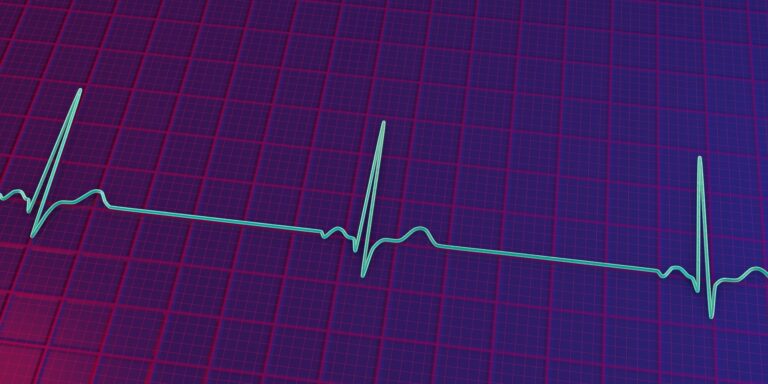
If your heart beats too fast, too slow, or irregularly, you have an arrhythmia. It's a problem with the rhythm of your heart. For many people, an arrhythmia is harmless. But for some, it can be life-threatening.
Heart Palpitations
Your heart beats all day long, but you usually don't notice it. Sometimes, though, your heart may beat in a way that seems different. It may flutter or race, or you may feel or hear your heart beat. These abnormal rhythms are called "heart palpitations." Let's take a moment to learn more.
Catheter Ablation for Arrhythmia
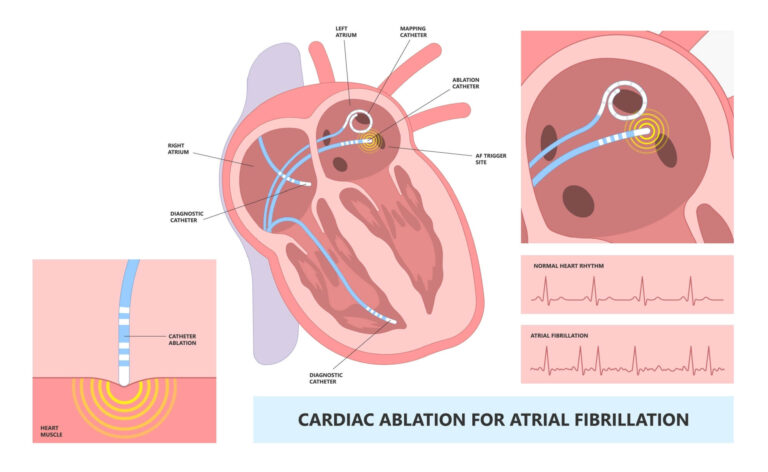
This procedure corrects an abnormal heart rhythm. It uses energy pulses to change the way your heart's electrical signals flow.
At Houston Heart Rhythm Institute, Dr. Aakash Shah specializes in cardiac ablation procedures to treat a range of heart rhythm disorders, including atrial fibrillation (Afib), atrial flutter (AFlutter), supraventricular tachycardia (SVT), premature ventricular contractions (PVCs), and ventricular tachycardia (VT). As a cardiac electrophysiologist, Dr. Shah offers patients in Houston and The Woodlands access to cutting-edge therapies designed to restore normal rhythm, reduce symptoms, and prevent long-term complications.
Recognizing the Symptoms of Heart Rhythm Disorders
Arrhythmias can affect each patient differently, with symptoms ranging from mild discomfort to life-threatening events. Common warning signs include:
- Rapid or irregular heartbeat
- Fluttering or pounding sensation in the chest
- Shortness of breath during activity or rest
- Dizziness, fainting, or lightheadedness
- Fatigue or reduced ability to exercise
- Chest pain or pressure
- Anxiety related to sudden rhythm changes
Why Cardiac Ablation is an Important Treatment Option
Heart rhythm disorders are common and can impact daily functioning, increase stroke risk, or lead to heart failure if not adequately managed. Many patients begin treatment with medications to control their rhythm or heart rate, but medications may not be effective or may cause side effects. In these cases, cardiac ablation provides a highly effective alternative. For healthcare providers, referring patients for ablation ensures they receive definitive care from a specialist trained in advanced electrophysiology techniques. Ablation not only improves quality of life but also reduces hospitalizations and the burden of long-term medication use. This procedure is particularly valuable for conditions such as Afib, where maintaining normal rhythm can significantly reduce stroke risk, or VT, where ablation can prevent life-threatening arrhythmias. With advances in technology, ablation has become safer, more precise, and more effective, offering lasting relief for many patients.
The Cardiac Ablation Process
Patients at Houston Heart Rhythm Institute undergo a structured process to ensure safe and effective treatment. This includes:
- Comprehensive Evaluation: A thorough review of the patient’s history, physical examination, and diagnostic testing, such as ECG, echocardiogram, or ambulatory heart monitor, is performed. In some cases, an electrophysiology study is recommended to map the heart’s electrical system.
- Pre-Procedure Preparation: Patients receive detailed instructions before the procedure, including medication adjustments and fasting requirements. Pre-procedure imaging may also be ordered to assess heart anatomy.
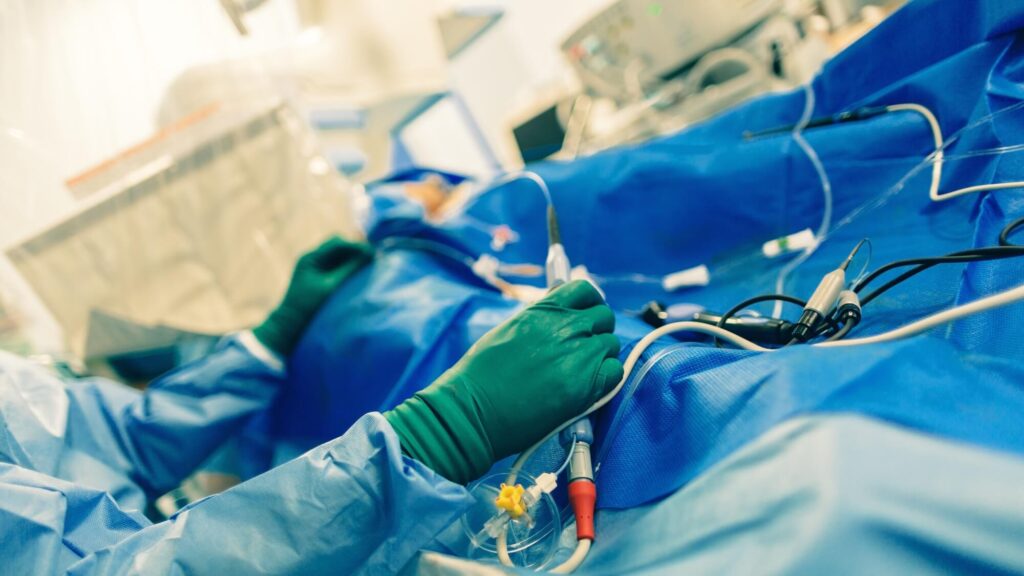
- Catheter Ablation Procedure: During the procedure, thin catheters are guided through blood vessels into the heart. Depending on the arrhythmia, energy sources such as radiofrequency or pulsed field ablation are used to destroy small areas of tissue, causing the abnormal rhythm to be selectively destroyed. This restores normal electrical signaling in the heart.
- Recovery and Monitoring: Most patients remain in the hospital for observation after the procedure. Recovery is generally quick, with many returning to normal activities within a few days.
- Long-Term Follow-Up: Regular follow-up visits with Dr. Shah include ECGs and additional monitoring to confirm the procedure’s success and check for recurrence of arrhythmia.
Preventing Recurrence of Arrhythmias
Although ablation can provide long-term control or even cure many arrhythmias, prevention strategies remain an important part of care. Lifestyle changes, such as maintaining a healthy weight, exercising regularly, and limiting excessive alcohol and caffeine consumption, can help reduce the risk of recurrence. Controlling high blood pressure, diabetes, and sleep apnea also plays a critical role in preventing arrhythmias from returning. Patients are encouraged to quit smoking, limit stimulant use, and manage stress through techniques such as meditation or yoga. Prevention is not solely about avoiding triggers but also about supporting overall cardiovascular health. By combining ablation with ongoing preventive care, patients often achieve the best long-term outcomes.
Outlook for Patients After Cardiac Ablation
The outlook for patients who undergo cardiac ablation is very promising. For Afib and AFlutter, ablation significantly reduces symptoms and improves quality of life, often with long-lasting results. In cases of SVT, ablation has a very high success rate and can usually be curative. Patients with PVCs and VT frequently experience dramatic improvements in heart function and reduced risk of sudden cardiac events following successful ablation. Most patients report improved energy, reduced emergency visits, and the ability to resume activities they previously avoided. With ongoing monitoring, the long-term risks are low, and repeat procedures are only occasionally necessary. Advances in electrophysiology continue to expand treatment options, making cardiac ablation one of the most effective tools available for arrhythmia management today.
Frequently Asked Questions
What types of arrhythmias can be treated with ablation?
Cardiac ablation can treat atrial fibrillation, atrial flutter, supraventricular tachycardia, PVCs, and ventricular tachycardia. The approach varies depending on the specific rhythm disorder.
Is cardiac ablation safe?
Yes, ablation is considered very safe when performed by an experienced electrophysiologist. Complications are rare, and most patients recover quickly.
How long does the procedure take?
Ablation typically takes between two and four hours, depending on the type of arrhythmia being treated. Patients are monitored closely during and after the procedure.
Will I need medication after ablation?
Some patients may still require medications temporarily after the procedure, but many can reduce or discontinue medications over time.
Can arrhythmias return after ablation?
In some cases, arrhythmias may recur, but repeat ablation procedures or adjustments in therapy often restore long-term rhythm control.
Take the First Step Toward Restoring Your Heart Rhythm
At Houston Heart Rhythm Institute, Dr. Aakash Shah is dedicated to helping patients in Houston and The Woodlands achieve lasting relief from arrhythmias through advanced cardiac ablation techniques. His expertise in electrophysiology ensures precise treatment and improved patient outcomes.
If you are living with atrial fibrillation, atrial flutter, SVT, PVCs, or ventricular tachycardia, now is the time to take control of your heart health. Schedule your consultation with Dr. Aakash Shah today and discover how cardiac ablation can restore your rhythm, reduce your risks, and improve your quality of life.