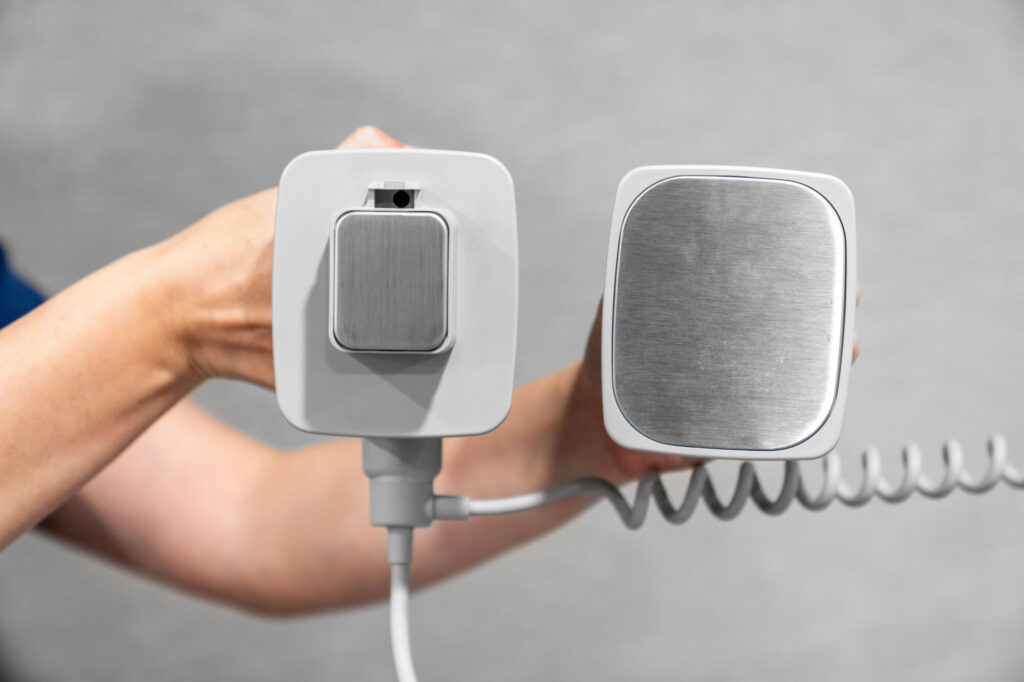
Implantable Cardioverter Defibrillator (ICD)
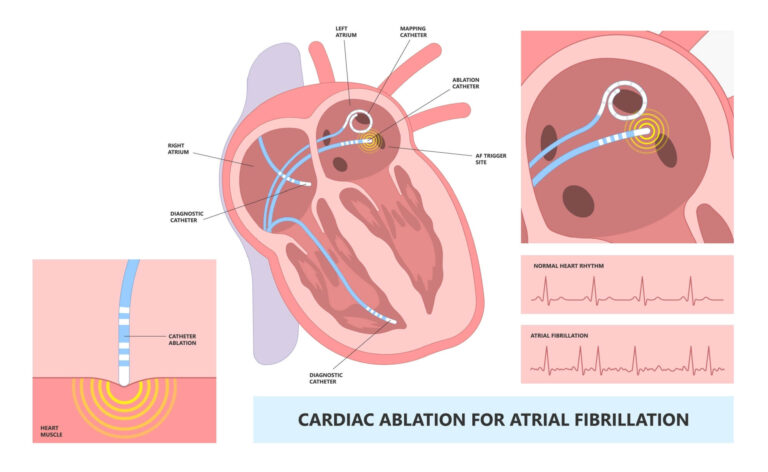
This device, which we call an "ICD," is put inside your chest or abdomen. It's used to treat arrhythmia. That's an irregular heart rhythm. An ICD monitors your heart and keeps it beating properly.
Implantable Cardioverter Defibrillator (ICD) Implantation (Endocardial Approach)
With this procedure, a small device is placed in your chest. It monitors your heart's rhythm. If it detects that your heart isn't beating normally, it sends electricity to your heart to convert your heart rhythm to a normal one.
Heart Failure
This condition, also called "congestive heart failure," is when your heart becomes so weak it can't pump enough blood to meet your body's needs. It doesn't mean that your heart has stopped beating. But it's a serious condition, and it needs medical care.
Cardiac Arrest
This is when your heart suddenly stops pumping blood. When blood doesn't move through your body, your brain and other organs don't get the nourishment they need. You lose consciousness. You may stop breathing. This can lead to death within minutes.
Arrhythmia
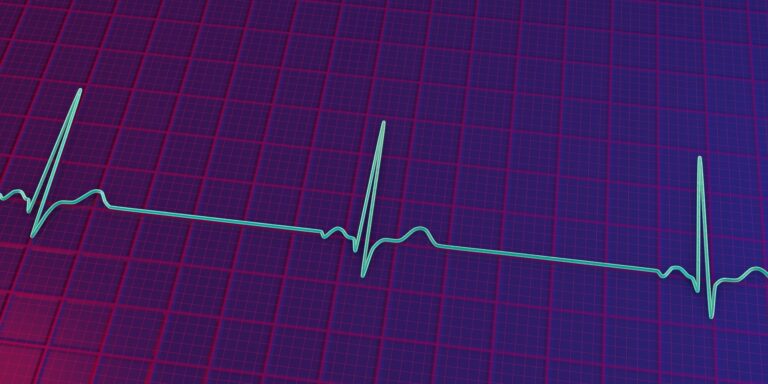
If your heart beats too fast, too slow, or irregularly, you have an arrhythmia. It's a problem with the rhythm of your heart. For many people, an arrhythmia is harmless. But for some, it can be life-threatening.
Heart Palpitations
Your heart beats all day long, but you usually don't notice it. Sometimes, though, your heart may beat in a way that seems different. It may flutter or race, or you may feel or hear your heart beat. These abnormal rhythms are called "heart palpitations." Let's take a moment to learn more.
At Houston Heart Rhythm Institute, Dr. Aakash Shah offers advanced defibrillator (ICD) implantation and comprehensive management for patients at risk of life-threatening arrhythmias. Implantable cardioverter-defibrillators, or ICDs, are small devices that monitor heart rhythms and deliver lifesaving treatment if dangerous arrhythmias such as ventricular tachycardia or ventricular fibrillation occur. As a board-certified cardiac electrophysiologist serving Houston and The Woodlands, Dr. Shah specializes in advanced device therapies that restore safety, reduce the risk of sudden cardiac death, and help patients live longer, healthier lives.
Symptoms and Warning Signs That May Require an ICD
ICDs are often recommended for patients with serious arrhythmias or at high risk for sudden cardiac arrest. Symptoms that may signal the need for evaluation include:
- Rapid or pounding heartbeat
- Fainting or near-fainting episodes
- Shortness of breath with activity or rest
- Dizziness or lightheadedness
- History of cardiac arrest
- Chest discomfort or palpitations
- Unexplained fatigue or weakness
Why Defibrillators Are Essential in Treating Dangerous Arrhythmias
Implantable cardioverter-defibrillators are one of the most powerful tools in preventing sudden cardiac death. For healthcare providers, recognizing patients at risk for lethal arrhythmias is critical, as these conditions often strike without warning. Many patients with reduced heart function or a prior history of cardiac arrest benefit greatly from ICD implantation, which continuously monitors their heart rhythm and intervenes instantly if a dangerous rhythm develops. Without intervention, arrhythmias like ventricular tachycardia or fibrillation can cause collapse and death within minutes. ICDs provide peace of mind for patients and families by serving as an ever-present safeguard. Advances in device technology enable smaller, more reliable defibrillators that not only treat arrhythmias but also store diagnostic data for ongoing care. By combining ICD therapy with expert management, patients receive comprehensive protection and an increased chance of long-term survival.
The ICD Implantation and Management Process
At Houston Heart Rhythm Institute, Dr. Shah and his team follow a structured approach to ensure safe implantation and long-term management:
- Comprehensive Patient Evaluation: Patients undergo testing, including echocardiograms, EKGs, stress tests, and, in some cases, electrophysiology studies, to confirm the need for an ICD.
- Procedure Preparation: Before implantation, patients receive detailed instructions and education to ensure a smooth and informed experience.
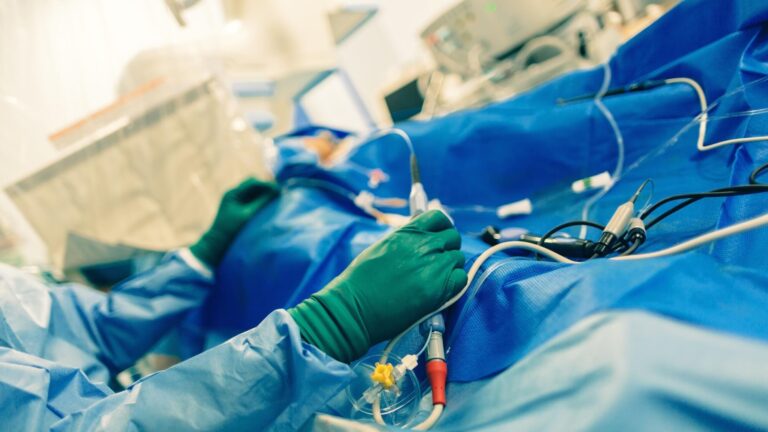
- Defibrillator Implantation: The device is implanted under the skin, usually below the collarbone, with leads placed in the heart to detect and treat arrhythmias. The procedure is minimally invasive and typically requires an overnight hospital stay.
- Device Testing and Programming: Once implanted, the ICD is programmed to detect dangerous rhythms and deliver appropriate therapies, such as pacing or shocks.
- Post-Procedure Recovery: Patients are closely monitored for healing and device function before being discharged home.
- Long-Term Management: Routine follow-ups, remote monitoring, and periodic device checks ensure the ICD is functioning correctly and adjusted as needed for ongoing patient safety.
Preventing Sudden Cardiac Events With ICD Therapy
While ICDs cannot prevent arrhythmias from occurring, they dramatically reduce the risk of sudden cardiac death by treating rhythms as soon as they arise. Prevention begins with timely diagnosis and referral to a cardiac electrophysiologist for patients at risk, especially those with weakened heart function or a history of prior arrhythmias. Patients can further support their health by managing risk factors such as hypertension, diabetes, obesity, and sleep apnea, as well as adhering to prescribed medications. Regular check-ups and cardiac imaging help healthcare providers assess ongoing risk and adjust therapy. ICDs act as the cornerstone of prevention in high-risk patients, offering the reassurance that even unexpected arrhythmias can be quickly corrected.
Patient Outlook After ICD Implantation
Patients who undergo ICD implantation generally experience an improved sense of safety and quality of life. The device acts as a safeguard, reducing anxiety for both patients and their families. Many individuals can return to normal daily activities, exercise with guidance, and resume work or hobbies. With modern technology, ICDs are smaller, longer-lasting, and less intrusive, making them easier to manage. Long-term outcomes are positive when paired with regular monitoring, lifestyle adjustments, and medication adherence. Patients benefit from the combination of reliable device therapy and expert electrophysiology care, which together lower the risk of sudden cardiac events and support a healthier future.
Frequently Asked Questions
How long does an ICD last?
Most ICDs last between 5 and 10 years, depending on usage and device type. Replacement involves changing the battery and device, while leads often remain in place.
Is ICD implantation a major surgery?
No, it is a minimally invasive procedure typically performed under local anesthesia with sedation. Most patients return home within one to two days.
Will I feel the ICD deliver a shock?
If the ICD detects a dangerous rhythm and delivers a shock, patients may feel it. While it can be startling, it is lifesaving and restores normal rhythm.
Can I exercise or travel with an ICD?
Yes, most patients can resume activity and travel after recovery, but your doctor will provide personalized recommendations for safe activity.
Do ICDs require follow-up care?
Yes, routine device checks and remote monitoring are essential to ensure proper function. Regular follow-ups with Dr. Shah are part of comprehensive management.
Expert ICD Care With Dr. Aakash Shah
At Houston Heart Rhythm Institute, Dr. Aakash Shah provides expert implantation and ongoing management of defibrillators for patients in Houston and The Woodlands. His specialized training in cardiac electrophysiology ensures that every patient receives care tailored to their specific condition and long-term needs.
If you or a loved one may be at risk for dangerous arrhythmias, an ICD could be the key to preventing sudden cardiac arrest. Schedule your consultation with Dr. Aakash Shah at Houston Heart Rhythm Institute today and take the first step toward advanced protection, peace of mind, and a healthier future.