Ambulatory Cardiac Monitoring
This is a way to learn more about your heart. With this type of monitoring, you'll wear a device that records your heart's activity for a period of time as you do different things. Your doctor uses this data to see if there's a problem with your heart.
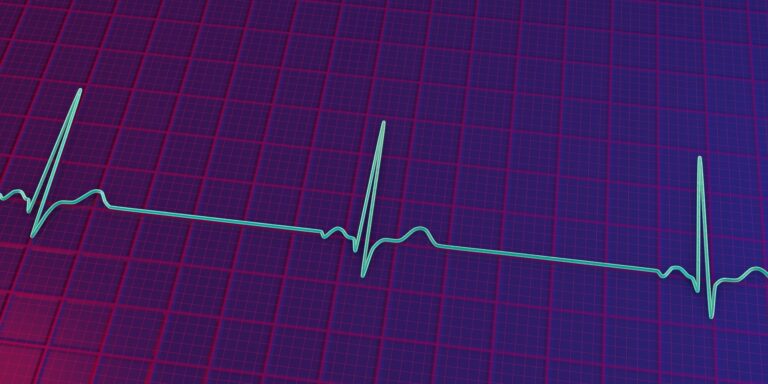
Electrocardiography (ECG, EKG)
This is a test of your heart. It lets your doctor see how well your heart is working. A doctor can use this test to find out if you have a heart problem, or to monitor a heart problem your doctor already knows you have.
Heart Palpitations
Your heart beats all day long, but you usually don't notice it. Sometimes, though, your heart may beat in a way that seems different. It may flutter or race, or you may feel or hear your heart beat. These abnormal rhythms are called "heart palpitations." Let's take a moment to learn more.
Arrhythmia
If your heart beats too fast, too slow, or irregularly, you have an arrhythmia. It's a problem with the rhythm of your heart. For many people, an arrhythmia is harmless. But for some, it can be life-threatening.
Preoperative Cardiovascular Exam
This is a check-up your doctor does before you have surgery. It's a way to see how well your heart is working. It helps make sure your heart is healthy enough for the procedure. Let's take a moment to learn more.
At Houston Heart Rhythm Institute, Dr. Aakash Shah offers comprehensive rhythm monitoring services for patients experiencing palpitations, irregular heartbeats, or other unexplained cardiac symptoms. Accurate monitoring is crucial for diagnosing arrhythmias and developing an effective treatment plan. Our services include implantable loop recorders (ILRs), Holter monitors, event monitors, and continuous telemonitoring, enabling detailed and long-term assessment of heart rhythms. Serving patients in Houston and The Woodlands, Dr. Shah combines advanced cardiac electrophysiology expertise with state-of-the-art monitoring technology to ensure timely diagnosis and optimal care.
Symptoms That May Indicate the Need for Rhythm Monitoring
Patients experiencing the following symptoms may benefit from rhythm monitoring:
- Palpitations or fluttering in the chest
- Dizziness or lightheadedness
- Fainting or near-fainting episodes
- Shortness of breath
- Chest discomfort or tightness
- Fatigue associated with irregular heartbeats
- Unexplained anxiety or awareness of a rapid or slow heartbeat
Why Rhythm Monitoring Is Essential for Healthcare Providers and Patients
Identifying the cause of palpitations and arrhythmias is critical to prevent complications such as stroke, heart failure, or sudden cardiac events. Many arrhythmias are intermittent and may not appear during a standard office visit or brief EKG, making continuous or extended monitoring essential. Loop recorders and continuous monitors allow healthcare providers to capture infrequent events over weeks or months. Accurate rhythm data helps physicians tailor treatment plans, whether medications, ablation procedures, or device implantation are required. Early detection of arrhythmias can improve patient outcomes, reduce hospitalizations, and provide peace of mind. For patients, proper monitoring minimizes the guesswork, avoids misdiagnosis, and ensures timely intervention. With modern technology, data from rhythm monitoring devices can be transmitted remotely, allowing physicians to respond quickly to concerning findings.
How Rhythm Monitoring Works: Step-by-Step
- Comprehensive Evaluation: Patients undergo an initial assessment, including medical history, physical exam, and baseline EKG, to determine the most appropriate monitoring device.
- Device Selection and Setup: Based on symptoms and risk factors, Dr. Shah may recommend a Holter monitor, event monitor, continuous telemetry, or implantable loop recorder. Each device is tailored to capture the type and duration of the arrhythmia suspected.
- Device Placement or Wear: Holter and event monitors are non-invasive and worn externally, while implantable loop recorders are placed under the skin in a minimally invasive procedure. Continuous telemetry monitors are connected for real-time monitoring in select situations.
- Data Collection and Transmission: Devices record heart rhythms over days, weeks, or months. Many modern devices can transmit data remotely, allowing Dr. Shah to review results without requiring frequent office visits.
- Analysis and Diagnosis: Collected data is analyzed to detect arrhythmias, pauses, or other conduction abnormalities. This information informs individualized treatment plans.
- Follow-up and Management: Patients receive guidance on next steps, which may include adjustments to medication, procedural interventions, or continued monitoring. Long-term follow-up ensures optimal heart rhythm control.
Preventing Complications Through Proactive Rhythm Monitoring
Early and continuous detection of arrhythmias is critical to preventing serious cardiovascular complications. Monitoring allows healthcare providers to detect life-threatening events such as atrial fibrillation, ventricular tachycardia, or pauses that could lead to fainting or sudden cardiac arrest. Preventive care includes lifestyle management, medication adherence, and timely interventions guided by rhythm data. Patients with known heart conditions benefit from ongoing monitoring to ensure therapy remains effective and safe. Routine rhythm monitoring can also identify silent arrhythmias that may otherwise go unnoticed until they cause significant problems. Combined with patient education and expert follow-up, monitoring helps prevent hospitalizations and improves long-term outcomes.
Patient Outlook After Rhythm Monitoring
Patients who undergo rhythm monitoring gain a clearer understanding of their heart health and the cause of their symptoms. Most find reassurance knowing that any abnormal events will be captured and addressed promptly. Monitoring often leads to timely treatment, whether through medication, ablation, or device therapy, which can significantly reduce the risk of stroke or other cardiac events. Patients can continue daily activities with minimal disruption while data is collected, especially with remote monitoring options. Long-term outcomes are improved because accurate, continuous heart rhythm data guide interventions. For patients in Houston and The Woodlands, access to advanced monitoring technology under the care of Dr. Shah means more precise diagnosis, safer treatment, and greater peace of mind.
Frequently Asked Questions
What is the difference between Holter, event, and loop recorders?
Holter monitors record heart activity continuously for 24–48 hours. Event and loop recorders capture rhythms over more extended periods and can record intermittent events when symptoms occur.
Is implanting a loop recorder painful?
The procedure is minimally invasive and performed under local anesthesia. Most patients experience only mild discomfort at the implant site.
Can I continue daily activities while wearing a monitor?
Yes, most external monitors and loop recorders allow patients to maintain regular daily routines. Patients may need to avoid activities that interfere with device placement.
How long does it take to receive results?
Data is often analyzed within days of collection. For remote monitoring devices, abnormal events can be reviewed in near real-time.
Do I need follow-up appointments after monitoring?
Yes, follow-up appointments ensure proper interpretation of data and guide next steps. Ongoing monitoring may be recommended depending on findings.
Expert Rhythm Monitoring With Dr. Aakash Shah
At Houston Heart Rhythm Institute, Dr. Aakash Shah provides state-of-the-art rhythm monitoring for patients in Houston and The Woodlands. His expertise in cardiac electrophysiology ensures accurate diagnosis, timely intervention, and personalized care for all patients with arrhythmias. If you are experiencing palpitations, fainting episodes, or irregular heartbeats, rhythm monitoring may be the key to understanding your heart health. Schedule a consultation with Dr. Aakash Shah at Houston Heart Rhythm Institute today to begin a comprehensive heart rhythm evaluation and take control of your cardiac care.