Pacemaker (Overview)
A pacemaker is a small device implanted in the chest to regulate the beat of the heart. Pacemakers may be used to treat a variety of heart problems, including irregularities of the heart’s rhythm (called arrhythmias) and weakness of the heart muscle.
Pacemaker Implantation (Endocardial Approach)
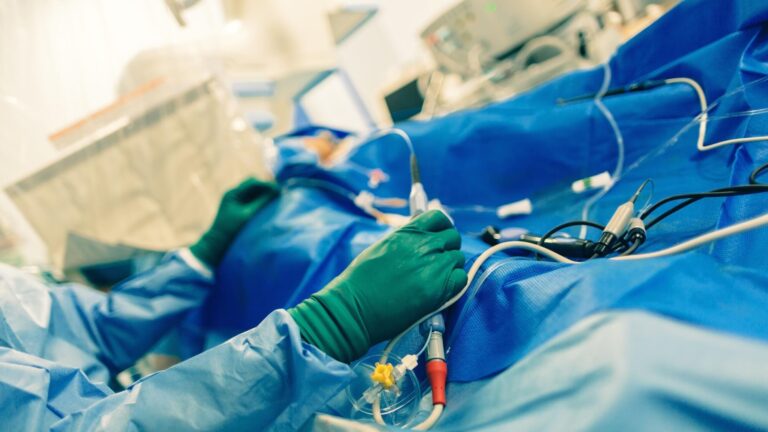
In this procedure, an impulse generator (called a pacemaker) is implanted in the chest to regulate the rhythm of the heart.
Living With a Pacemaker
If you've recently been given a pacemaker, you may have some concerns. You may worry that it will keep you from activities you enjoy. But it won't. Sure, you'll need to cut back on some things while your pacemaker settles into place. But soon, you'll be as active as anyone else your age.
Electrocardiography (ECG, EKG)
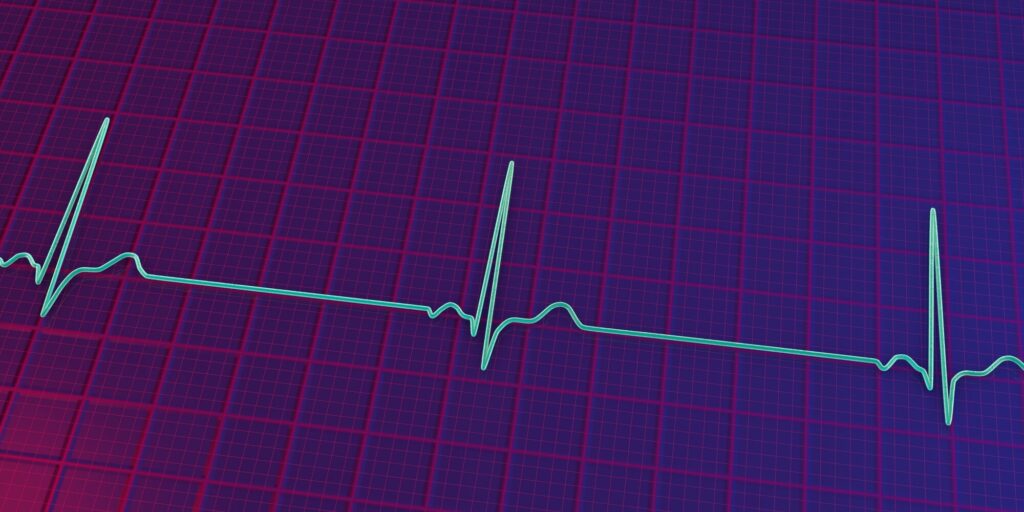
This is a test of your heart. It lets your doctor see how well your heart is working. A doctor can use this test to find out if you have a heart problem, or to monitor a heart problem your doctor already knows you have.
At Houston Heart Rhythm Institute, Dr. Aakash Shah provides specialized care for patients with bradycardia, or a slow heart rate. While a resting heart rate between 60 and 100 beats per minute is considered normal, patients with bradycardia often have heart rates below 60 beats per minute, which can lead to fatigue, dizziness, or even life-threatening complications. Serving Houston and The Woodlands, Dr. Shah uses his expertise in cardiac electrophysiology to diagnose the underlying causes of bradycardia and create individualized treatment plans that restore rhythm stability and improve quality of life.
Symptoms That May Indicate Bradycardia
The signs of a slow heart rate vary depending on severity and underlying causes. Symptoms may include:
- Dizziness or lightheadedness
- Extreme fatigue or weakness
- Shortness of breath during activity or rest
- Fainting or near-fainting episodes
- Chest discomfort or pressure
- Confusion or difficulty concentrating
- Intolerance to physical activity
Why Diagnosis and Treatment of Bradycardia Are Critical
Although a slow heart rate is not always dangerous, bradycardia can signal a more serious underlying condition, such as sick sinus syndrome, heart block, or damage to the heart’s electrical pathways. Left untreated, bradycardia may cause fainting, falls, heart failure, or sudden cardiac arrest. For healthcare providers, recognizing bradycardia early is essential to preventing complications and unnecessary hospital visits. Patients often mistake their symptoms for fatigue, dehydration, or aging, which delays evaluation. Accurate diagnosis ensures that reversible causes such as medication side effects, thyroid disease, or sleep apnea are identified. In cases where the heart’s electrical system is not functioning properly, pacemaker implantation may be necessary to restore a safe and reliable heart rhythm. For patients, timely diagnosis and treatment mean fewer interruptions in daily life, lower risk of complications, and greater independence.
How Bradycardia Is Treated
At Houston Heart Rhythm Institute, patients undergo a step-by-step process to ensure the most effective and individualized care:
- Initial Evaluation and Testing: Patients undergo a detailed review of their medical history, physical examination, and diagnostic tests, including electrocardiograms (ECG), Holter monitoring, echocardiograms, and blood work, to identify potential causes.
- Identifying Reversible Causes: Medications, thyroid disorders, or sleep apnea can contribute to bradycardia. Treating these underlying issues may help restore a normal heart rate without the need for further intervention.
- Pacemaker Therapy: For patients with symptomatic or persistent bradycardia resulting from heart electrical system issues, pacemaker implantation may be recommended. A pacemaker is a small device placed under the skin that helps maintain a safe and steady heart rhythm.
- Lifestyle Adjustments and Monitoring: Patients may be advised to avoid medications or substances that worsen a slow heart rate. Ongoing monitoring helps ensure stability and detect any new rhythm issues.
- Long-Term Follow-Up: Dr. Shah provides continued care after treatment, with regular check-ups and device monitoring to ensure that therapy is effective and adjustments are made as needed.
Preventing Complications of Bradycardia
While not all cases of bradycardia can be prevented, patients can take steps to reduce the likelihood of complications. Preventive strategies include regular check-ups with a cardiologist, especially for those with a history of heart disease or risk factors such as high blood pressure or diabetes. Avoiding excessive alcohol use, managing medications carefully, and treating sleep apnea can help lower risk. Patients should also adopt heart-healthy habits, such as regular exercise, a balanced diet, and avoiding smoking. Early recognition of symptoms and seeking timely medical care are equally important in preventing serious complications. Prevention is most effective when combined with specialized care from a cardiac electrophysiologist who can detect subtle changes before they become more serious problems.
Patient Outlook After Bradycardia Treatment
The prognosis for patients with bradycardia is generally excellent when the condition is managed correctly. Patients who require pacemakers often experience dramatic improvement in symptoms, regaining energy and activity tolerance while avoiding fainting episodes. For those whose bradycardia is caused by reversible conditions, treating the underlying issue often restores normal rhythm without the need for devices. Long-term follow-up ensures ongoing safety, and most patients can live whole, active lives with minimal restrictions. Advances in pacemaker technology, including smaller and more durable devices, continue to enhance outcomes for patients. With the correct diagnosis and management, bradycardia can be effectively controlled, giving patients reassurance and peace of mind about their heart health.
Frequently Asked Questions
What is considered a dangerously slow heart rate?
A heart rate below 60 beats per minute can be considered bradycardia, but not all cases are dangerous. Symptoms and underlying conditions determine whether treatment is necessary.
Can bradycardia go away on its own?
Sometimes, bradycardia resolves if reversible issues like medication or thyroid problems cause it. Persistent bradycardia usually requires evaluation and possible treatment.
Is a pacemaker always required for bradycardia?
Not always. Many patients improve by addressing underlying causes, but pacemakers are recommended if the slow heart rate is causing symptoms or poses risks.
Can exercise cause bradycardia?
Yes, athletes often have lower resting heart rates due to conditioning. This type of bradycardia is typically normal and not harmful.
What lifestyle changes help with bradycardia?
Avoiding excess alcohol, monitoring medications, treating sleep apnea, and following a heart-healthy lifestyle all support better rhythm stability.
Take the Next Step Toward Protecting Your Heart Rhythm
At Houston Heart Rhythm Institute, Dr. Aakash Shah provides advanced and compassionate care for patients with bradycardia in Houston and The Woodlands. By combining expert diagnosis with state-of-the-art treatment options, Dr. Shah ensures that each patient receives care tailored to their unique condition. If you are experiencing dizziness, fatigue, or unexplained fainting spells, it may be time to evaluate your heart rhythm. Schedule your consultation with Dr. Aakash Shah today at Houston Heart Rhythm Institute and take control of your heart health with specialized care designed to restore balance and improve quality of life.