
Arrhythmia
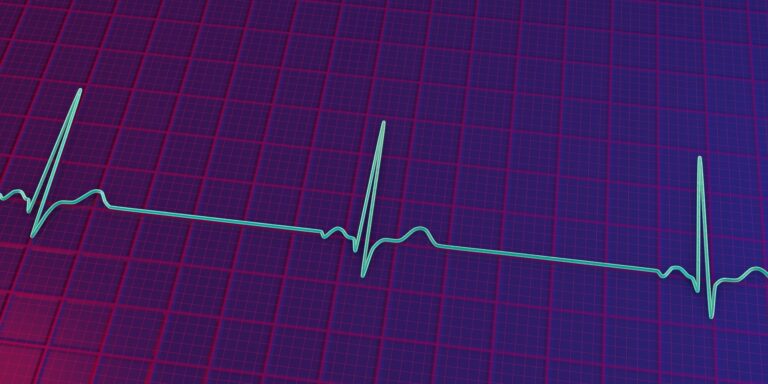
If your heart beats too fast, too slow, or irregularly, you have an arrhythmia. It's a problem with the rhythm of your heart. For many people, an arrhythmia is harmless. But for some, it can be life-threatening.
Heart Palpitations
Your heart beats all day long, but you usually don't notice it. Sometimes, though, your heart may beat in a way that seems different. It may flutter or race, or you may feel or hear your heart beat. These abnormal rhythms are called "heart palpitations." Let's take a moment to learn more.
Cardioversion (Electrical)
If your heart beats too fast or doesn't beat with a regular pattern, you may need electrical cardioversion. During this hospital procedure, your heart is shocked with electricity. It can help give your heart a normal beat. Cardioversion isn't the same as defibrillation. That's an emergency procedure that uses high-energy shocks. Cardioversion uses low-energy shocks.
Catheter Ablation for Arrhythmia
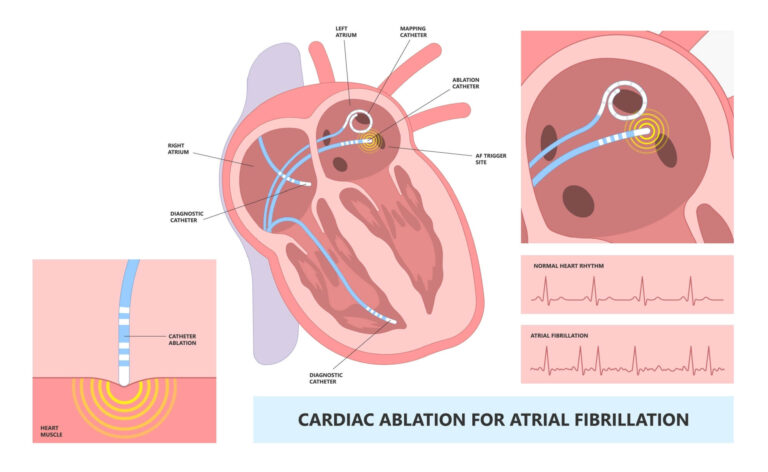
This procedure corrects an abnormal heart rhythm. It uses energy pulses to change the way your heart's electrical signals flow.
At Houston Heart Rhythm Institute, Dr. Aakash Shah provides advanced diagnosis and treatment for patients living with arrhythmias and other heart rhythm disorders. As a cardiac electrophysiologist, Dr. Shah specializes in identifying and treating abnormal electrical activity in the heart that can cause palpitations, dizziness, chest discomfort, or life-threatening complications. Serving patients in Houston and The Woodlands, the practice is dedicated to providing personalized, evidence-based care for every individual.
Common Symptoms of Heart Rhythm Disorders
Arrhythmias can present differently for each patient. While some people may experience mild, occasional symptoms, others may experience severe episodes that require urgent treatment. Symptoms often include:
- A fluttering or racing heartbeat
- Slow heartbeat or pauses between beats
- Shortness of breath during activity or rest
- Fatigue or weakness without a clear cause
- Dizziness or fainting episodes
- Chest pain or pressure
Why Heart Rhythm Evaluation and Treatment Are Critical
Heart rhythm disorders affect millions of people worldwide and can range from benign skipped beats to conditions that significantly increase the risk of stroke or sudden cardiac arrest. For healthcare providers, early recognition is essential because arrhythmias can easily be mistaken for anxiety, dehydration, or other medical issues. Without proper diagnosis, patients may continue to experience symptoms that limit daily activities or put them at serious health risk. Cardiac electrophysiology offers precise diagnostic testing that identifies whether an arrhythmia is caused by atrial fibrillation, supraventricular tachycardia, ventricular tachycardia, or other rhythm disorders. Timely treatment reduces complications, prevents the progression of heart disease, and restores quality of life. For patients in Houston and The Woodlands, Dr. Shah’s expertise provides confidence that their care is led by a trusted cardiac specialist focused on long-term outcomes.
Advanced Treatment Options in Cardiac Electrophysiology
Treatment for heart rhythm disorders is highly individualized and begins with a thorough evaluation. At Houston Heart Rhythm Institute, the process includes several steps designed to ensure accurate diagnosis and effective care:
- Initial Consultation and Diagnostic Testing: Patients undergo a detailed review of their medical history, a physical examination, and diagnostic testing, including ECG, Holter monitoring, echocardiogram, or advanced electrophysiology studies. These tests help identify the type and source of arrhythmia.
- Medication Therapy: In some cases, medications are prescribed to control heart rate, maintain normal rhythm, or reduce the risk of stroke and other complications. Each treatment plan is tailored to the patient’s specific condition and risk profile.
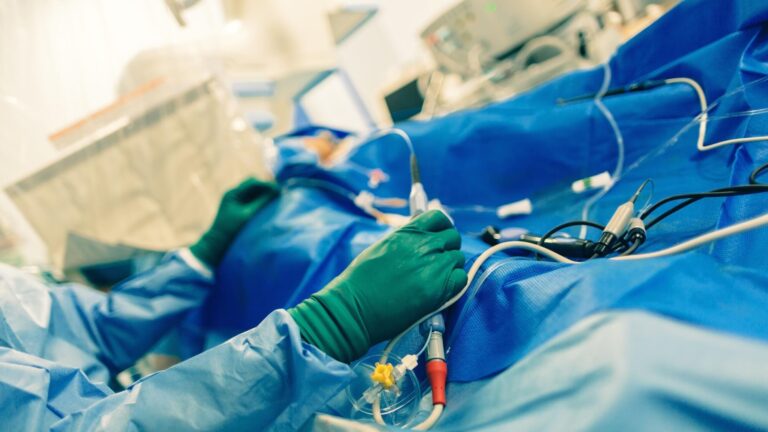
- Catheter Ablation Procedures: For persistent or symptomatic arrhythmias, minimally invasive ablation may be recommended. Using catheters inserted through blood vessels into the heart, targeted energy is applied to disrupt the abnormal electrical pathways causing arrhythmias.
- Device-Based Therapies: Some patients may benefit from implantable devices such as pacemakers or defibrillators, which help regulate or restore normal heart rhythm and provide protection against life-threatening rhythm disturbances.
- Ongoing Monitoring and Long-Term Care: Following treatment, patients receive continuous follow-up with repeat testing and monitoring to ensure the treatment is effective and to make adjustments when necessary.
Preventing Heart Rhythm Disorders
Not all arrhythmias can be prevented, but many risk factors can be addressed to reduce their likelihood and severity. Preventive strategies focus on overall cardiovascular health, including maintaining a balanced diet low in sodium and processed foods, engaging in regular moderate exercise, and keeping blood pressure and cholesterol under control. Avoiding tobacco, limiting alcohol and caffeine, and maintaining a healthy body weight also play significant roles in reducing arrhythmia risk. Additionally, treating underlying conditions such as sleep apnea, thyroid disorders, and diabetes helps lower the chances of developing rhythm problems. Prevention is not just about avoiding triggers—it is about creating sustainable heart-healthy habits that protect long-term wellbeing. Patients who take proactive steps in partnership with their physician often experience fewer episodes and improved quality of life.
What Patients Can Expect After Treatment
The outlook for patients with arrhythmias is highly positive when an experienced cardiac electrophysiologist guides care. Many patients experience significant symptom relief after ablation, device implantation, or medication adjustments. Energy levels often improve, exercise tolerance increases, and the fear of unpredictable episodes lessens over time. For those with serious arrhythmias, timely intervention can prevent strokes, hospitalizations, and sudden cardiac events. With ongoing follow-up, most patients see long-term success, maintaining stable rhythms and reducing reliance on emergency care. The future of electrophysiology continues to evolve, with advances in technology offering safer and more effective treatments than ever before. Under Dr. Shah’s care, patients in Houston and The Woodlands can expect evidence-based treatment designed to improve both lifespan and quality of life.
Frequently Asked Questions
What is a cardiac electrophysiologist?
A cardiac electrophysiologist is a cardiologist with specialized training in diagnosing and treating abnormal heart rhythms. They perform advanced procedures, such as catheter ablations and device implantations.
Are arrhythmias always dangerous?
Not all arrhythmias are life-threatening, but some can increase the risk of stroke, heart failure, or sudden cardiac arrest. Accurate evaluation is crucial for determining the severity.
What is the recovery time after an ablation procedure?
Most patients return to normal activities within a few days, although follow-up care and monitoring are required to ensure long-term success.
Will I need a pacemaker or defibrillator?
Device therapy is only recommended when necessary, such as for slow heart rhythms or high-risk ventricular arrhythmias. Many patients do well with medications or ablation alone.
Can arrhythmias come back after treatment?
Yes, some arrhythmias may recur over time, but repeat procedures or adjustments in therapy can often restore long-term control.
Take the Next Step Toward Restoring Your Heart Rhythm
At Houston Heart Rhythm Institute, Dr. Aakash Shah is committed to delivering advanced, patient-centered care for individuals with arrhythmias and heart rhythm disorders. By combining specialized training in cardiac electrophysiology with the latest technologies, Dr. Shah ensures that patients receive the highest quality treatment in Houston and The Woodlands. If you are experiencing symptoms such as palpitations, dizziness, or irregular heartbeat, expert care is just a call away. Schedule your consultation today with Dr. Aakash Shah at Houston Heart Rhythm Institute and take the first step toward a healthier, more active life with a stable heart rhythm.