Pacemaker (Overview)
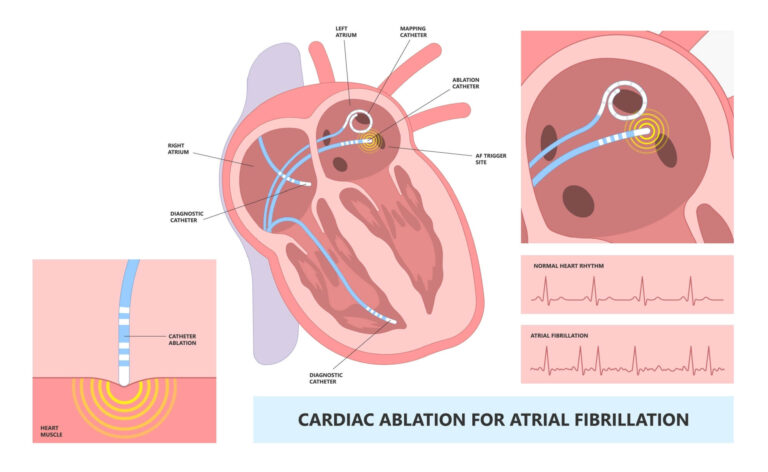
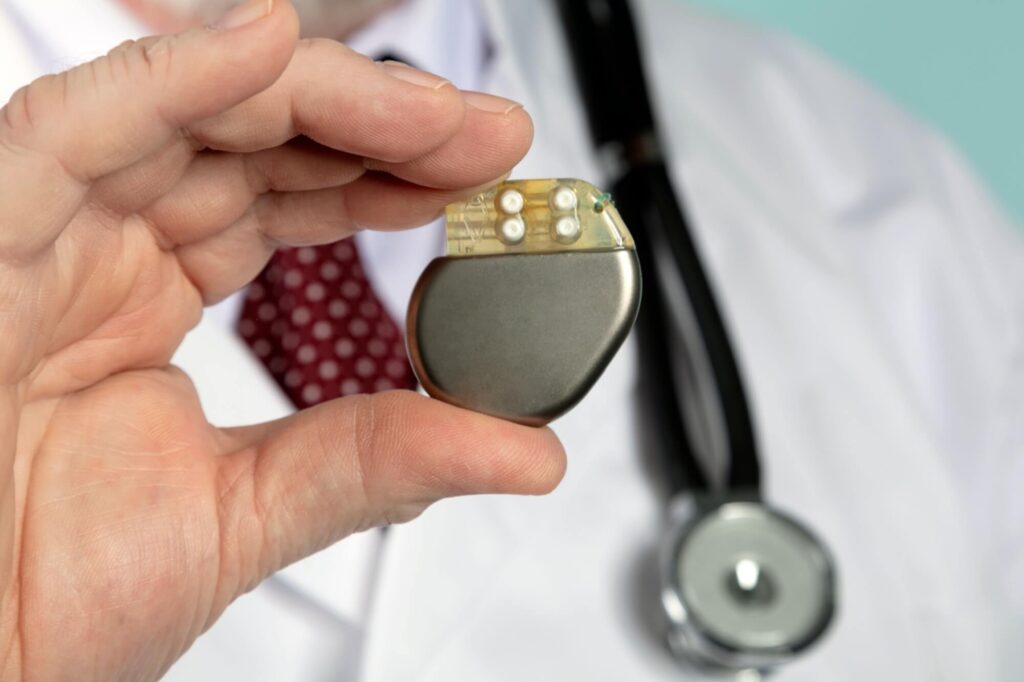
A pacemaker is a small device implanted in the chest to regulate the beat of the heart. Pacemakers may be used to treat a variety of heart problems, including irregularities of the heart’s rhythm (called arrhythmias) and weakness of the heart muscle.
Pacemaker Implantation (Endocardial Approach)
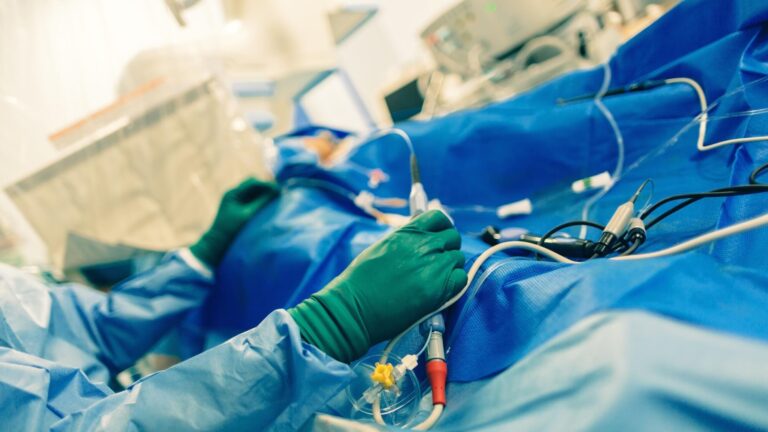
In this procedure, an impulse generator (called a pacemaker) is implanted in the chest to regulate the rhythm of the heart.
Living With a Pacemaker
If you've recently been given a pacemaker, you may have some concerns. You may worry that it will keep you from activities you enjoy. But it won't. Sure, you'll need to cut back on some things while your pacemaker settles into place. But soon, you'll be as active as anyone else your age.
Electrocardiography (ECG, EKG)
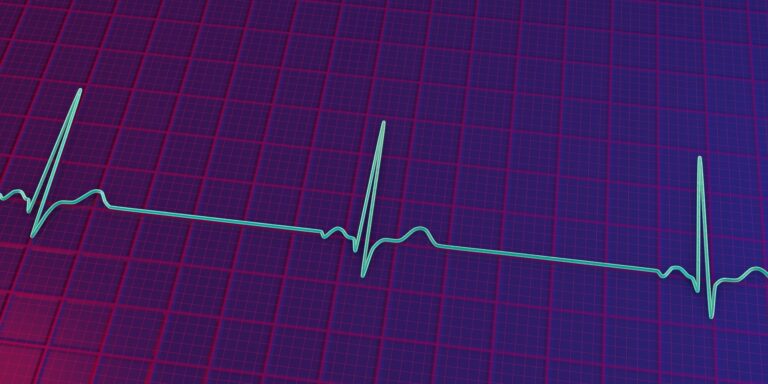
This is a test of your heart. It lets your doctor see how well your heart is working. A doctor can use this test to find out if you have a heart problem, or to monitor a heart problem your doctor already knows you have.
At Houston Heart Rhythm Institute, Dr. Aakash Shah offers advanced pacemaker implantation and ongoing management for patients with slow or irregular heart rhythms. Pacemakers are small devices designed to regulate the heartbeat when the heart’s natural electrical system is not functioning correctly. As a board-certified cardiac electrophysiologist, Dr. Shah specializes in diagnosing rhythm disorders and tailoring pacemaker therapy to each patient’s needs. Serving Houston and The Woodlands, Houston Heart Rhythm Institute provides comprehensive care that restores rhythm stability, prevents complications, and helps patients return to a normal, active lifestyle.
Recognizing Symptoms That May Require a Pacemaker
Patients who experience the following symptoms may benefit from pacemaker evaluation:
- Fatigue and lack of energy
- Dizziness or lightheadedness
- Fainting or near-fainting spells
- Shortness of breath
- Chest pain or pressure
- Slow or irregular heartbeats
- Difficulty tolerating physical activity
The Importance of Pacemaker Therapy in Cardiac Care
Pacemaker implantation plays a critical role in treating bradycardia, heart block, and other rhythm disorders that cause dangerously slow heart rates. Without treatment, these conditions can lead to fainting, falls, organ damage, or sudden cardiac arrest. For healthcare providers, identifying patients who may benefit from pacemakers is essential to preventing life-threatening complications and improving overall outcomes. Many patients delay seeking treatment because they mistake their symptoms for stress, aging, or fatigue. Pacemakers not only restore a safe and steady heart rhythm but also allow patients to regain independence and confidence in their daily lives. Modern pacemaker technology has advanced significantly, offering smaller devices, longer battery life, and even remote monitoring to keep patients connected to their care team. With proper implantation and management, pacemakers are one of the most effective long-term solutions for rhythm disorders.
How Pacemaker Implantation and Management Work
At Houston Heart Rhythm Institute, the process of pacemaker therapy is designed to be thorough, safe, and supportive:
- Initial Evaluation: Patients undergo a comprehensive review that includes medical history, physical examination, and diagnostic tests such as ECG, echocardiogram, or Holter monitoring to confirm the need for a pacemaker.
- Pre-Procedure Preparation: Dr. Shah carefully explains the procedure, addresses patient concerns, and provides pre-operative instructions to ensure safety and comfort.
- Pacemaker Implantation: The device is implanted under the skin, usually near the collarbone, with leads positioned inside the heart to regulate electrical activity. The procedure is minimally invasive and typically requires only a short hospital stay.
- Device Programming and Testing: After implantation, the pacemaker is programmed to deliver the optimal level of pacing support tailored to the patient’s specific condition. Testing ensures the device is functioning properly.
- Ongoing Monitoring and Adjustments: Follow-up visits and remote monitoring allow Dr. Shah to track pacemaker performance, adjust settings if needed, and address any issues that arise over time.
- Long-Term Care and Management: Patients continue to receive guidance on lifestyle adjustments, device maintenance, and routine check-ups to ensure optimal outcomes.
Preventing Rhythm Complications With Pacemaker Therapy
While pacemakers cannot prevent every heart rhythm disorder, they are one of the most reliable ways to protect patients from the complications of bradycardia and heart block. Prevention begins with early recognition of symptoms and timely referral to a cardiac electrophysiologist for evaluation. For patients with known heart disease, regular check-ups and diagnostic testing help identify rhythm issues before they worsen. Pacemakers also allow patients to avoid hospitalizations caused by fainting, dizziness, or heart failure symptoms. Maintaining a heart-healthy lifestyle, including regular exercise, a balanced diet, medication adherence, and avoiding smoking and excessive alcohol consumption, further supports long-term stability. Preventive care combined with expert device management reduces risks and ensures patients enjoy the full benefits of pacemaker therapy.
What Patients Can Expect After Pacemaker Implantation
The outlook for patients who undergo pacemaker implantation is overwhelmingly positive. Most patients experience immediate improvement in symptoms such as fatigue, fainting, or shortness of breath. Pacemakers allow individuals to return to normal activities with minimal limitations, and many regain the ability to exercise and participate fully in daily life. Advances in technology have made pacemakers smaller, more comfortable, and longer-lasting than ever before. With routine monitoring and periodic check-ups, most patients live active and fulfilling lives with their device. Long-term management ensures that any adjustments can be made quickly and effectively, offering reassurance and stability for patients and their families. The combination of expert implantation and personalized care from Dr. Shah allows patients to look forward to a healthier future with confidence.
Frequently Asked Questions
How long does a pacemaker last?
Modern pacemakers typically last 8 to 12 years, depending on the type of device and how often it is used. Battery replacement is performed through a simple procedure.
Is pacemaker surgery painful?
Pacemaker implantation is minimally invasive and performed under local anesthesia with sedation. Most patients report only mild soreness at the site for a few days.
Can I exercise with a pacemaker?
Yes, most patients can resume regular exercise after they have healed. Your doctor will provide personalized guidelines to ensure safe activity.
Will I feel the pacemaker working?
In most cases, patients do not feel the pacemaker delivering impulses. Some individuals may experience occasional sensations at first, but these typically resolve quickly.
Do pacemakers require ongoing maintenance?
Yes, pacemakers require regular check-ups and remote monitoring to ensure they are functioning correctly. Adjustments can be made as needed without additional surgery.
Take Control of Your Heart Rhythm With Expert Pacemaker Care
At Houston Heart Rhythm Institute, Dr. Aakash Shah provides expert pacemaker implantation and personalized management for patients across Houston and The Woodlands. His expertise in cardiac electrophysiology ensures that each patient receives care tailored to their condition, from initial diagnosis to long-term follow-up.If you are experiencing symptoms of a slow or irregular heartbeat, let’s discuss pacemaker therapy. Schedule your consultation with Dr. Aakash Shah today at Houston Heart Rhythm Institute and take the first step toward restoring confidence, stability, and peace of mind in your daily life.