
Electrocardiography (ECG, EKG)
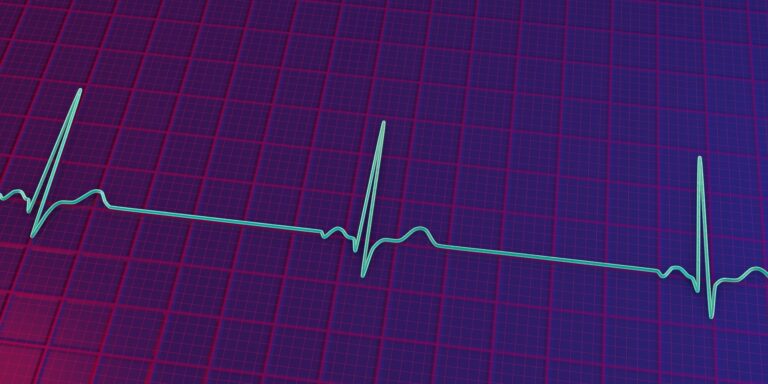
This is a test of your heart. It lets your doctor see how well your heart is working. A doctor can use this test to find out if you have a heart problem, or to monitor a heart problem your doctor already knows you have.
Arrhythmia
If your heart beats too fast, too slow, or irregularly, you have an arrhythmia. It's a problem with the rhythm of your heart. For many people, an arrhythmia is harmless. But for some, it can be life-threatening.
Heart Palpitations
Your heart beats all day long, but you usually don't notice it. Sometimes, though, your heart may beat in a way that seems different. It may flutter or race, or you may feel or hear your heart beat. These abnormal rhythms are called "heart palpitations." Let's take a moment to learn more.
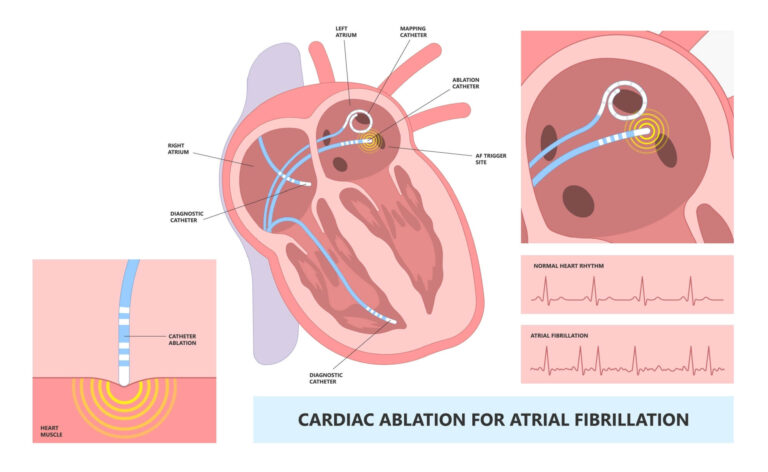
Catheter Ablation for Arrhythmia
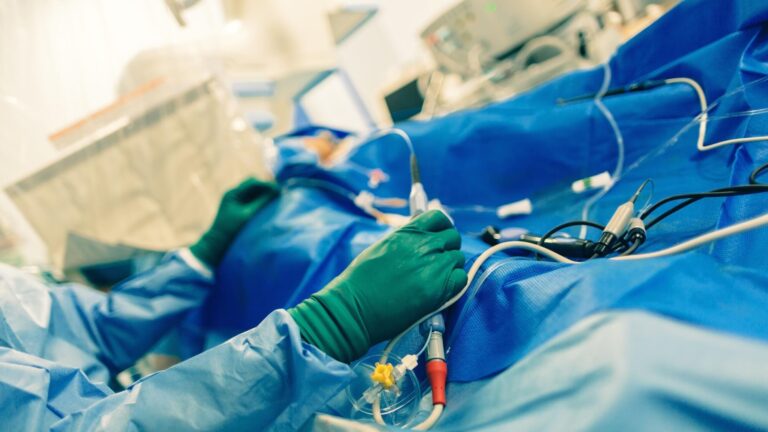
This procedure corrects an abnormal heart rhythm. It uses energy pulses to change the way your heart's electrical signals flow.
At Houston Heart Rhythm Institute, Dr. Aakash Shah specializes in the diagnosis and management of supraventricular tachycardia (SVT), a common yet often disruptive heart rhythm disorder. SVT occurs when abnormal electrical signals in the upper chambers of the heart cause it to beat much faster than normal. While not always life-threatening, SVT can interfere with daily activities and, if left untreated, may increase the risk of complications. Serving patients in Houston and The Woodlands, Dr. Shah offers advanced care, including catheter ablation, to restore normal rhythm and improve quality of life.
Recognizing the Signs of Supraventricular Tachycardia
SVT can occur suddenly and may stop just as quickly, leaving patients confused or anxious about what happened. Symptoms may include:
- A rapid heartbeat that starts and ends abruptly
- Sensation of fluttering or pounding in the chest
- Shortness of breath, especially during episodes
- Lightheadedness or dizziness
- Fatigue or weakness after an episode
- Chest pain or tightness
Why Proper Diagnosis and Treatment Are Critical
SVT is often underdiagnosed because episodes may come and go unpredictably, sometimes lasting only a few seconds or minutes. Patients may dismiss the symptoms as stress or caffeine-related, while healthcare providers may not detect it unless testing occurs during an episode. However, untreated SVT can lead to frequent emergency visits, limit physical activity, and reduce quality of life. Accurate diagnosis is vital because multiple types of SVT exist, including AV nodal reentrant tachycardia, atrioventricular reentrant tachycardia, and atrial tachycardia. Each requires a tailored approach for long-term control. For healthcare providers, timely recognition of SVT is essential to prevent unnecessary testing and to ensure patients receive referral to a cardiac electrophysiologist. For patients, treatment offers the chance to eliminate symptoms permanently. With the right expertise, SVT can often be cured rather than managed long-term with medication alone.
Advanced Treatment Options for SVT
At Houston Heart Rhythm Institute, patients receive individualized treatment plans designed to target their specific arrhythmia. The care process includes:
- Comprehensive Evaluation: The diagnosis begins with a detailed patient history, physical examination, and tests such as an electrocardiogram (ECG), Holter monitoring, event recorders, or, in some cases, an electrophysiology study to pinpoint the exact source of the arrhythmia.
- Lifestyle and Medical Management: Some patients may initially benefit from lifestyle changes such as reducing caffeine or alcohol intake. Medications may also be prescribed to slow the heart rate, prevent recurrence, or lessen the severity of episodes.
- Catheter Ablation Procedure: For many patients, catheter ablation offers a curative option. This minimally invasive procedure uses thin catheters inserted into the heart through blood vessels, where targeted energy is applied to eliminate the abnormal electrical pathway causing SVT. Ablation has a high success rate and can often free patients from the need for long-term medication.
- Long-Term Monitoring: After treatment, patients are closely followed with repeat evaluations to confirm rhythm stability and ensure no complications arise. This ongoing care supports long-term success and peace of mind.
Preventing Recurrence of Supraventricular Tachycardia
While ablation can permanently resolve SVT for many patients, prevention strategies remain essential for those who experience occasional episodes or are not candidates for ablation. Managing lifestyle factors such as avoiding stimulants, practicing stress reduction, and staying well hydrated can reduce episode frequency. Patients with other cardiovascular conditions should work closely with their physician to manage high blood pressure, sleep apnea, or thyroid issues, as these can trigger arrhythmias. Preventive care also includes regular follow-up visits to monitor heart health and detect any changes early. By combining treatment with proactive lifestyle adjustments, patients can achieve better long-term control and fewer disruptions from arrhythmia symptoms.
What Patients Can Expect After SVT Treatment
Patients treated for supraventricular tachycardia often see dramatic improvements in their daily lives. Those who undergo catheter ablation typically experience long-term resolution of symptoms, allowing them to return to normal activities without fear of sudden, rapid heartbeat episodes. For patients managed with medication, improved control of symptoms and reduced emergency visits are common. Quality of life benefits are significant, as patients often regain the confidence to exercise, travel, and enjoy activities without limitations. With ongoing follow-up, the likelihood of complications is low, and most patients experience lasting success. Advances in cardiac electrophysiology continue to improve safety and outcomes, giving patients in Houston and The Woodlands access to world-class arrhythmia care under Dr. Shah’s expertise.
Frequently Asked Questions
What causes supraventricular tachycardia?
SVT is caused by abnormal electrical pathways in the heart that lead to rapid signals. These can be triggered by stress, caffeine, or underlying heart conditions.
How is SVT diagnosed if episodes are infrequent?
Portable heart monitors or event recorders can capture rhythm disturbances when symptoms occur. An electrophysiology study may also be performed for precise diagnosis.
Is ablation safe for treating SVT?
Yes, catheter ablation is considered very safe and has a high success rate when performed by an experienced cardiac electrophysiologist.
Will I need medication after ablation?
Most patients do not require long-term medication after successful ablation. However, some may still need medications depending on their condition.
Can SVT come back after treatment?
Recurrence is possible but uncommon after ablation. If it does return, repeat treatment can often resolve the problem.
Take Control of Your Heart Health
At Houston Heart Rhythm Institute, Dr. Aakash Shah is dedicated to providing advanced care for patients with supraventricular tachycardia. With expertise in electrophysiology and specialized training in ablation procedures, Dr. Shah offers patients in Houston and The Woodlands the opportunity to restore normal rhythm and achieve lasting relief from symptoms. If you are experiencing rapid heartbeats, dizziness, or unexplained fatigue, it may be time to seek specialized evaluation. Schedule a consultation today with Dr. Aakash Shah at Houston Heart Rhythm Institute and take the first step toward effective SVT treatment and improved quality of life.