Procedure
Left Atrial Appendage Closure
This procedure stops blood clots from forming in your heart. We do it for people who have a condition called "atrial fibrillation" which raises your risk for clot formation and stroke.
Left Atrial Appendage Closure (Implant Method)
This procedure places a tiny implant in your heart to stop blood clots from forming. It's helpful if you have a condition called "atrial fibrillation," which raises your risk for clot formation and stroke.
Atrial Fibrillation (A-fib; AF)
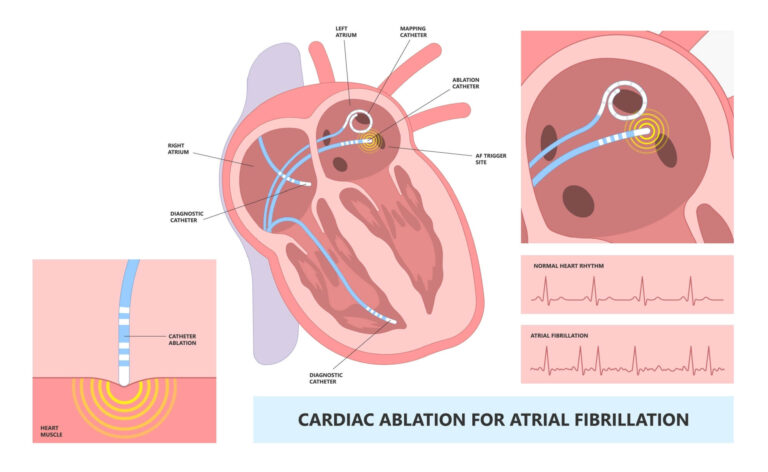
This is a problem with the rhythm of your heart. We call it "A-fib." With it, your heart beats much faster than normal. And, the upper and lower chambers of your heart don't work together like they should. For some, A-fib goes away on its own. But for others, it's a long-term problem.
Reducing Your Risk for a Heart Attack
Your risk for heart attack is tied to a lot of factors. Some things (like your age and family history) you can't control. But you do have control over many others. So if you're worried about your risk, focus on these aspects of your health.
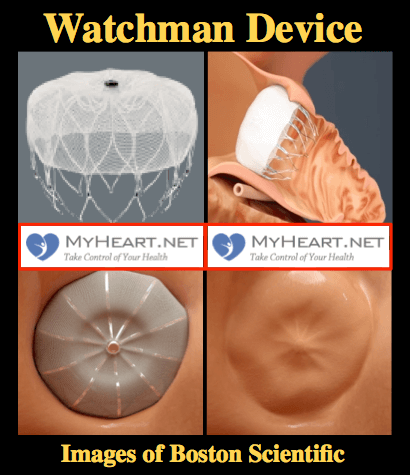
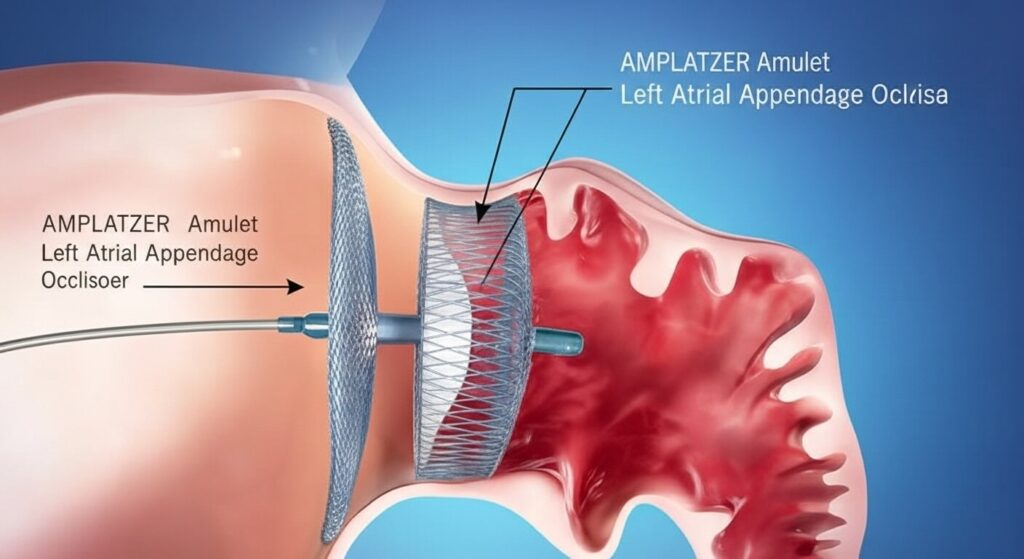
At Houston Heart Rhythm Institute, Dr. Aakash Shah offers advanced left atrial appendage occlusion (LAAO) procedures with the Watchman and Amulet devices for patients with atrial fibrillation who are at risk of stroke. These minimally invasive devices are designed to seal off the left atrial appendage, a common source of blood clots in atrial fibrillation patients. For those who cannot tolerate long-term blood thinners or who are seeking alternatives to medication, LAAO implants provide a safe and effective solution. Serving Houston and The Woodlands, Dr. Shah combines his expertise in cardiac electrophysiology with state-of-the-art technology to reduce stroke risk and improve patient outcomes.
Recognizing Stroke Risk in Atrial Fibrillation
Patients with atrial fibrillation are more likely to develop blood clots in the heart that can travel to the brain and cause a stroke. Common signs that may suggest elevated risk or the need for further evaluation include:
- Irregular or rapid heartbeat
- Shortness of breath
- Fatigue or weakness
- Palpitations or fluttering in the chest
- Prior history of stroke or mini-stroke (TIA)
- Difficulty taking or tolerating blood thinner medications
Why Watchman and Amulet Devices Are Critical in Stroke Prevention
Stroke prevention is one of the most important goals in atrial fibrillation management. Traditionally, anticoagulant medications such as warfarin or newer blood thinners have been prescribed to reduce stroke risk, but these drugs are not suitable for everyone. Some patients experience bleeding complications, drug interactions, or difficulty with long-term adherence. Left atrial appendage occlusion devices, such as Watchman and Amulet, offer an alternative by physically closing off the appendage, where over 90% of blood clots form in atrial fibrillation. For healthcare providers, identifying patients who are candidates for these devices is vital in reducing the burden of stroke and improving quality of life. These devices allow patients to avoid the long-term risks of anticoagulation while still receiving adequate stroke protection. Clinical studies have shown both Watchman and Amulet to be highly successful in lowering stroke rates in patients with non-valvular atrial fibrillation.
How the Watchman and Amulet Implant Process Works
At Houston Heart Rhythm Institute, the implantation process is performed with precision and care to ensure the best outcomes for patients:
- Comprehensive Assessment: Patients undergo a thorough evaluation, including cardiac imaging and risk assessment, to confirm they are appropriate candidates for LAAO therapy.
- Pre-Procedure Planning: Dr. Shah reviews all risks and benefits with the patient, provides instructions, and prepares them for the procedure.
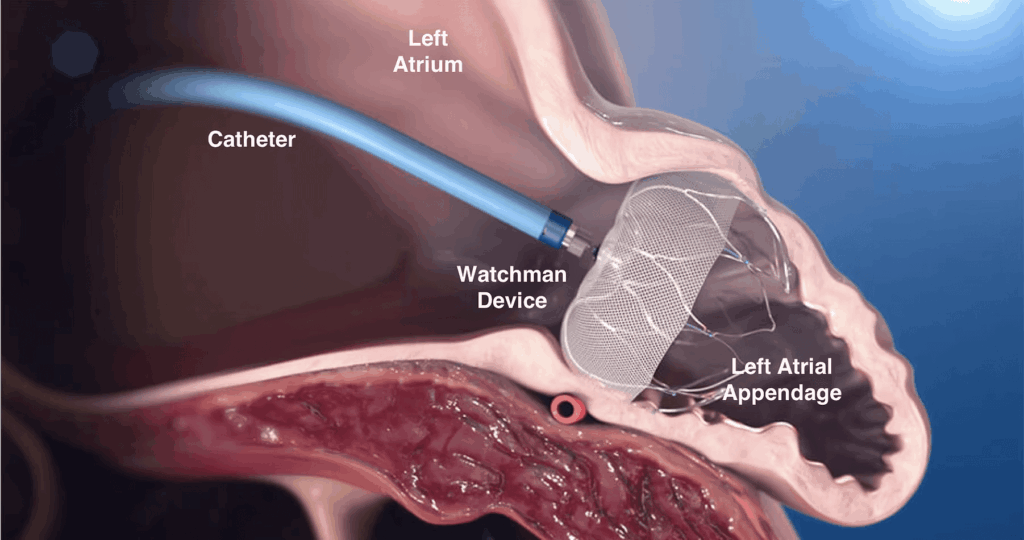
- Device Implantation: Using minimally invasive catheter-based techniques, the Watchman or Amulet device is guided into the left atrial appendage through a vein in the leg. Once in place, it seals off the appendage to prevent clot formation.
- Post-Procedure Care: Patients typically stay overnight for monitoring and are discharged the next day. Imaging tests confirm the device’s placement and effectiveness.
- Medication Adjustment: Initially, patients may remain on short-term blood thinners, but many can discontinue them after the device is fully integrated into the heart wall.
- Long-Term Management: Routine follow-ups ensure that the device is functioning correctly, with ongoing monitoring for heart rhythm and stroke prevention.
Preventing Stroke Through Proactive Care
Preventing stroke in atrial fibrillation requires more than medication alone. Left atrial appendage occlusion therapy plays a vital role for patients who cannot remain on long-term anticoagulants or who prefer a device-based alternative. Prevention begins with timely evaluation and referral to a cardiac electrophysiologist. Patients who undergo Watchman or Amulet implantation must also maintain a heart-healthy lifestyle, including controlling blood pressure, cholesterol, and diabetes, while avoiding smoking and excessive alcohol. Preventive care also includes regular monitoring to ensure that atrial fibrillation and other cardiovascular risk factors are managed effectively. By combining device therapy with comprehensive cardiac care, patients significantly reduce their risk of life-altering strokes.
Patient Outlook After Watchman or Amulet Device Implantation
The outlook for patients who undergo Watchman or Amulet implantation is very positive. Most patients recover quickly after the procedure and return to their normal activities within a few days. Over time, the device becomes part of the heart tissue, permanently sealing the appendage. Patients often experience peace of mind knowing they are protected against stroke without the need for lifelong anticoagulation. Studies show excellent long-term outcomes, with significant reductions in both stroke risk and bleeding complications compared to those relying solely on blood thinners. With ongoing care from Dr. Shah and his team, patients can look forward to improved quality of life, reduced hospitalizations, and the reassurance of having advanced stroke prevention technology in place.
Frequently Asked Questions
How long does the Watchman or Amulet procedure take?
The procedure usually takes about one to two hours. Most patients go home the next day after an overnight stay.
Will I still need blood thinners after the device is implanted?
Many patients take blood thinners for a short time after the procedure. Over time, most can discontinue them once the device is fully sealed.
Is the procedure painful?
The implantation is minimally invasive and performed under anesthesia. Patients generally report only mild soreness afterward.
How effective are Watchman and Amulet devices at preventing stroke?
Both devices have been shown in clinical trials to significantly reduce stroke risk in atrial fibrillation patients, comparable to long-term anticoagulation.
What is recovery like after implantation?
Recovery is usually quick, with most patients resuming normal activities within a few days. Follow-up imaging is performed to ensure proper healing.
Advanced Stroke Prevention With Dr. Aakash Shah
At Houston Heart Rhythm Institute, Dr. Aakash Shah provides expert Watchman and Amulet device implantation for atrial fibrillation patients in Houston and The Woodlands. With specialized training in cardiac electrophysiology, Dr. Shah ensures patients receive the highest quality care, from initial evaluation through long-term follow-up.
If you have atrial fibrillation and are concerned about stroke risk or unable to tolerate blood thinners, you may be a candidate for Watchman or Amulet implantation. Schedule a consultation with Dr. Aakash Shah at Houston Heart Rhythm Institute today to explore your options for advanced stroke prevention and peace of mind.